

Description
A Pioneering Step in Mobility for Children with Cerebral Palsy
The 1958 cerebral palsy wheelchair represented a major breakthrough in mobility aids specifically designed for children with cerebral palsy. Unlike standard wheelchairs of its time, this model addressed the unique postural and physical needs associated with spastic and athetoid cerebral palsy.
Design Focused on Posture and Comfort
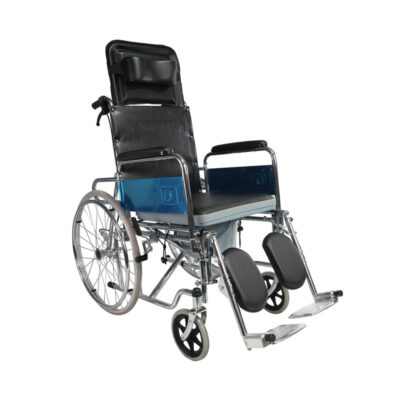
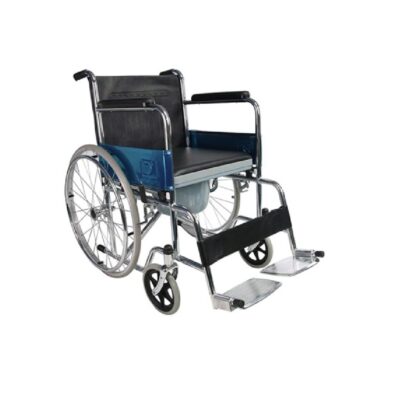
This wheelchair featured a durable, lightweight metal frame, padded seat, and adjustable supports. The seat offered lateral trunk supports, footrests, and headrests to provide full-body stability. These elements helped prevent muscle strain and encouraged proper posture, which was essential for long-term comfort and health.
Enhanced Functionality for Daily Life
Caregivers and therapists valued the 1958 model for its practical design. Its responsive wheels and ergonomic handles made it easy to maneuver in both home and institutional settings. This ease of use improved access to education, therapy, and social opportunities for children who might otherwise be isolated.
Medical Benefits and Custom Support
Beyond mobility, this wheelchair offered important therapeutic benefits. By supporting natural alignment, it helped reduce the risk of pressure sores and contractures. Therapists could adjust the chair to each child’s specific needs, making it a flexible tool in rehabilitation and daily care.
A Legacy in Assistive Technology
The 1958 cerebral palsy wheelchair laid the groundwork for many features found in modern pediatric wheelchairs. Its design influenced future innovations in seating systems, adaptive mobility, and inclusive design. It marked a transition from generic support equipment to condition-specific mobility aids.
Historical Importance and Continued Influence
Today, this wheelchair holds historical significance as an early example of thoughtful, user-centered medical design. Collectors, rehabilitation professionals, and historians study it to understand the evolution of disability technology. It serves as a symbol of progress in accessibility and care for people with physical disabilities.



Reviews
There are no reviews yet.